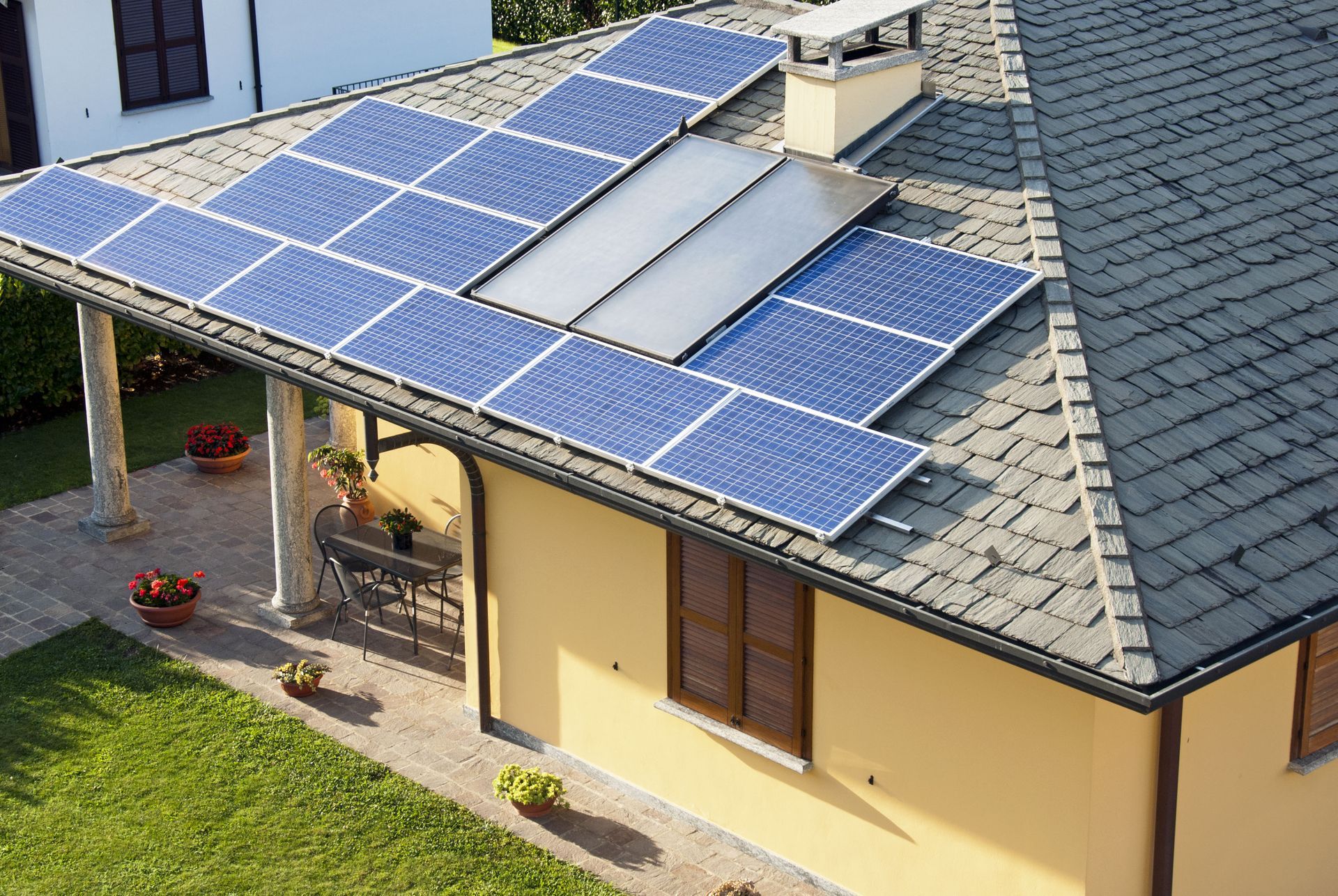
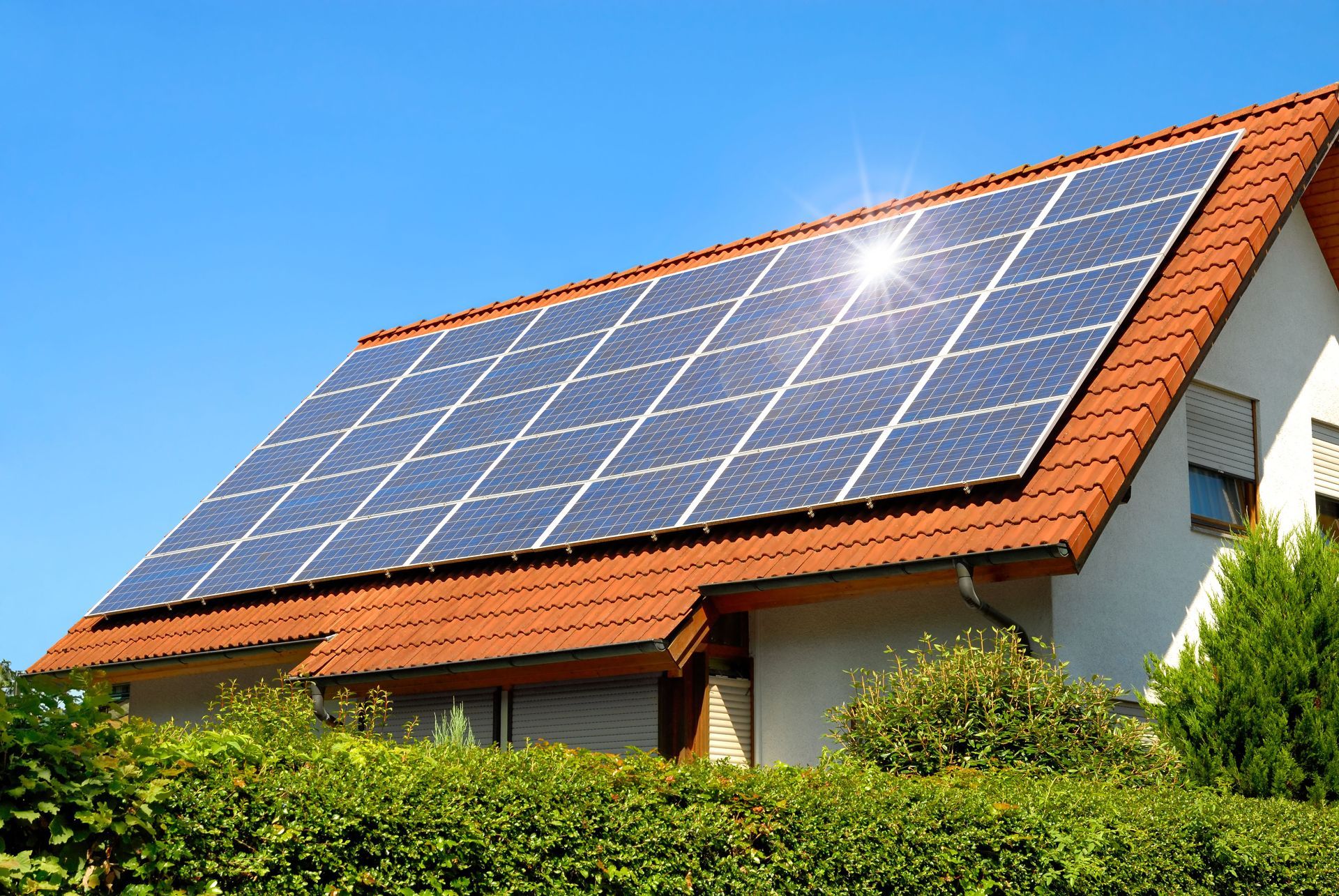
Switching to renewable power requires significant capital investment and careful planning. Homeowners seeking energy independence face a crowded marketplace filled with providers offering varying levels of expertise. A successful transition depends on identifying practices that ensure consistent power generation over long periods. Evaluating how a provider operates behind the scenes reveals the difference between a mediocre installation and a resilient power plant on a roof.
Reliability originates from strict adherence to industry standards and innovative operational methodologies. Homeowners must look beyond marketing claims and examine the technical procedures a provider employs. A top-tier provider implements protocols that protect equipment against severe weather and electrical faults. Finding the
best solar company involves analyzing their commitment to system longevity, structural integrity, and proactive customer support throughout the lifespan of the equipment.
Providing Custom Engineering Solutions for Optimal Generation
Every residential property features unique architectural characteristics and environmental conditions. Mass-produced kits fail to account for shading patterns, roof angles, or local climate challenges. An elite provider dispatches technicians to conduct exhaustive site audits before drafting any blueprints. These engineers measure roof dimensions, assess structural load capacities, and analyze historical weather data to design a framework that maximizes energy capture throughout the year.
Selecting the best solar company ensures that homeowners receive a bespoke architecture tailored to their specific consumption habits. Engineers calibrate array placements to capture morning sunlight or optimize afternoon exposure based on household energy demand profiles. This customized approach prevents underproduction during peak usage hours. Tailored engineering also accounts for future energy needs, such as adding electric vehicle chargers or upgrading household appliances.
Proper component selection represents another critical aspect of custom engineering. High-efficiency panels perform better in extreme heat, while specific microinverters handle partial shading conditions with superior resilience. Designers match panel types, inverter technologies, and mounting hardware to the exact environmental stressors present at the property. This careful pairing minimizes degradation and maximizes the total energy harvest over the lifespan of the equipment.
Structural integrity requires equal attention during the design phase. Engineering teams must calculate wind uplift forces and snow load potential to specify appropriate mounting brackets and roof penetrations. Superior practices include reinforcing rafters and utilizing specialized flashing to prevent water intrusion. Such meticulous planning ensures the array remains secure during severe storms, protecting the electrical investment alongside the underlying residential structure.
Executing Rigorous Quality Assurance to Prevent System Failures
Robust installation protocols form the foundation of a reliable energy system. According to the US EIA, developers added 12 GW of new utility-scale solar capacity during the first half of 2025, and planned to add 21 GW in the second half. This massive industry growth means residential providers must maintain strict quality control to avoid sloppy workmanship during periods of rapid expansion.
Quality assurance begins at the warehouse before any equipment reaches the property. Technicians inspect panels for microcracks and verify inverter firmware versions. Upon arriving on site, specialized crew leaders monitor every phase of the physical installation. They verify torque specifications on mounting bolts and ensure proper wire management. Sloppy wiring leads to ground faults and arc risks, which compromise the entire energy generation process.
The best solar company employs independent inspectors to review the completed array before grid connection. These auditors conduct thermal imaging scans to detect hot spots and perform insulation resistance tests on the direct current wiring. Identifying anomalous temperature variations prevents premature panel failure and eliminates fire hazards. Comprehensive testing confirms that every connection meets stringent electrical codes and manufacturer specifications.
Documentation serves as the concluding step in a rigorous quality assurance program. Installation teams photograph every mounting point, conduit run, and electrical connection. This photographic evidence provides a baseline for future maintenance and verifies that the crew followed all safety guidelines. Homeowners receive copies of this documentation, giving them confidence in the structural and electrical integrity of their new renewable energy asset.
Implementing Advanced Monitoring Frameworks for Proactive Maintenance
Even the most robust installations require continuous oversight to maintain peak efficiency. Premium providers install sophisticated hardware that tracks generation metrics at the individual panel level. This granular visibility allows technicians to identify an isolated underperforming module without dispatching a crew to the roof. Real-time data transmission ensures that any deviation from expected output triggers an immediate alert in a centralized operations facility.
Choosing the best solar company guarantees access to intuitive consumer dashboards alongside professional backend oversight. Homeowners can view their daily consumption, battery discharge rates, and total grid export through a mobile application. At the same time, dedicated analysts monitor the same data stream to detect subtle degradation patterns. This layered approach empowers homeowners while maintaining professional supervision over the technical health of the generation equipment.
Proactive maintenance transforms potential emergencies into minor service appointments. Instead of waiting for a homeowner to notice a spike in utility bills, technical teams diagnose issues via digital channels. They resolve software glitches or update firmware without visiting the property. When physical repairs become necessary, technicians arrive with the correct replacement parts, minimizing system downtime and maximizing the financial return on the equipment.
Long-term reliability depends on analyzing historical performance trends against local weather data. Monitoring frameworks compare actual generation figures with expected output based on sunlight availability. If a system underperforms during clear conditions, analysts investigate potential causes such as accumulating dust or encroaching tree canopies. This analytical rigor ensures the array continues producing maximum available power throughout its entire operational lifecycle.
Delivering Transparent Warranty Protections for Long-Term Security
Equipment degrades over time, making robust warranty coverage essential for ongoing reliability. Industry-leading providers offer comprehensive protections that extend beyond standard manufacturer defects. These guarantees cover physical degradation, ensuring panels maintain a specific production threshold long after installation. If output falls below the guaranteed threshold, the provider replaces the deficient modules at no extra cost to the property owner.
Partnering with the best solar company provides complete coverage that includes labor and roof penetrations. Subpar contractors charge exorbitant labor fees to replace defective equipment, negating the financial benefits of the manufacturer warranty. A premier provider absorbs all costs associated with diagnosing, removing, and replacing faulty hardware. In addition, comprehensive roof warranties protect homeowners against leaks originating from the mounting hardware.
Transparency within the warranty contract separates elite organizations from unreliable contractors. Superior agreements feature clear language detailing the exact procedures for filing a claim and the expected resolution timeframes. They avoid hidden clauses that void coverage due to normal weather events or minor maintenance delays. Clear documentation ensures homeowners understand their rights and the obligations of the installation provider.
Transferability adds significant value to a renewable energy investment. When a homeowner decides to sell their property, a premium warranty transfers without interruption to the subsequent buyer. This feature increases the resale value of the home and provides peace of mind to the incoming residents. An established provider facilitates this transfer process with ease, ensuring the hardware remains protected regardless of property ownership changes.
Transitioning to renewable power represents a major commitment to energy independence and environmental stewardship. Achieving reliable generation requires partnering with an organization that prioritizes engineering precision, quality control, and proactive maintenance. The foundation of a resilient power system lies in the unseen details, from customized blueprints to rigorous testing protocols. These practices separate temporary solutions from permanent assets that power a home far into the future.
Securing long-term value demands thorough research and careful selection of an installation partner. The best solar company will demonstrate engineering excellence and back their workmanship with comprehensive protections. A well-designed array transforms a residential roof into a permanent, reliable source of clean energy. At Urban Energy Solar, we are dedicated to providing the best solar company services we can. Contact our team today to schedule your site assessment and start your journey toward complete power independence.